With Aurora Király. Practices of Looking, the Fondation Fernet-Branca presents the first institutional solo exhibition by Aurora Király (1970) in France. For more than thirty years, the Bucharest-based visual artist has explored the relationship between image, memory, and the social construction of perception. An important voice within Central and Eastern European contemporary art, she brings forward stories that have often remained marginal, particularly those connected to women's labor and embodied experiences.
Conceived specifically for the Fondation’s former distillery spaces, the exhibition unfolds as a journey through the layered worlds of industry, domestic architectures, and social structures, and the ways they inscribe themselves onto female bodies.
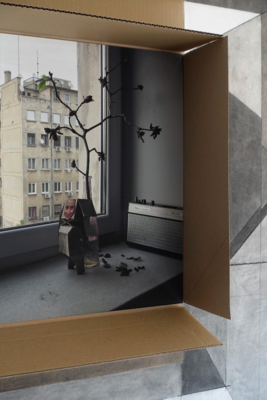
Working across photography, sculpture, and installation, Király transforms images into spatial and physical encounters. In one of the large-scale works on view, female silhouettes appear as soft, dancing presences, evoking social roles shaped by time and context. Photographs from her personal collection draw visitors into more intimate interiors opening towards an autobiographical dimension. Photographic objects, inspired by early camera devices and by the forms of domestic furniture, respond to the Fondation’s architecture, light, and scale, giving shape to the very act of looking.
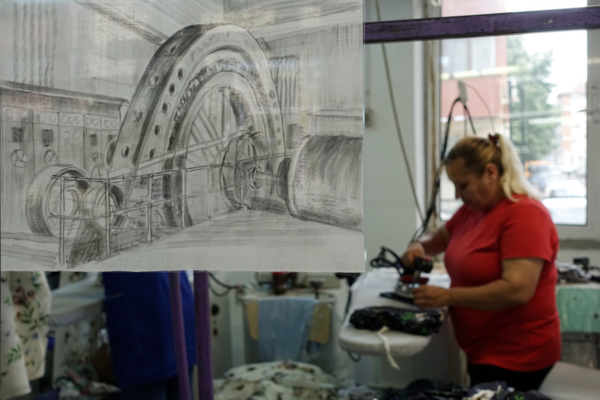
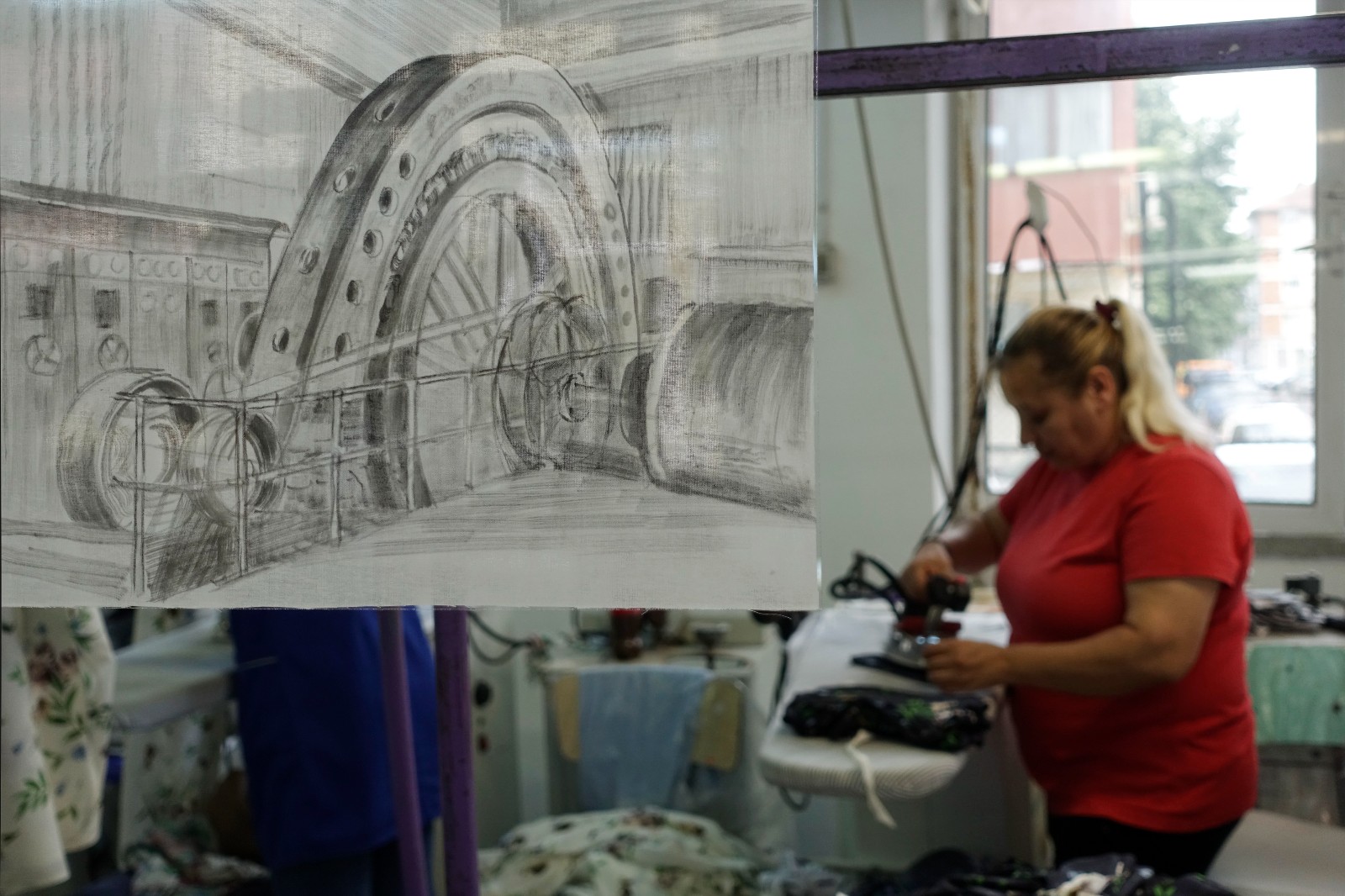
Drawing on historical materials from former textile production sites in Mulhouse (FR), photographs she took in an operating textile factory in Reșița (RO), and research she recently conducted in the Hanro company archive in Liestal (CH), the artist examines how women's labor and bodies were framed within workplace and home alike. Textile, often described as a “second skin”, becomes a guiding thread, linking material and memory. Repetition, structure, and pattern echo the rhythms of the production line, revealing the body as a site of discipline, resilience, and transformation.
Here, Király's reflections on photography connect to her observations of the textile industry. In both cases, materiality is paramount to her artistic explorations. Inviting visitors to slow down and look attentively, Practices of Looking reaffirms the importance of physical, haptic presence in an age of constant digital image circulation. Connecting local industrial history to broader global questions of female labor, the exhibition creates a rare space for reflection, asking how images carry experience, shape perception, and continue to form our identities.
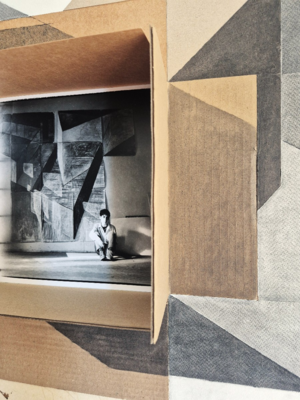




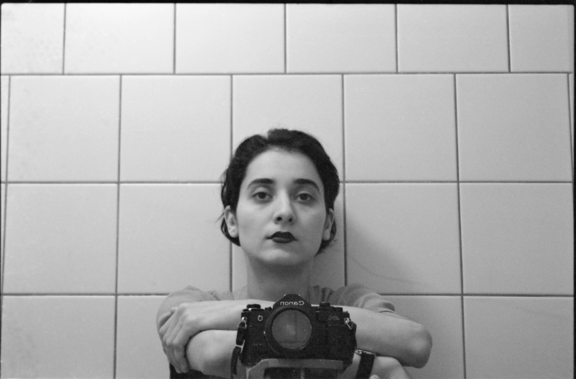 Melancholia (Selfportrait with camera), Stuttgart, 1998